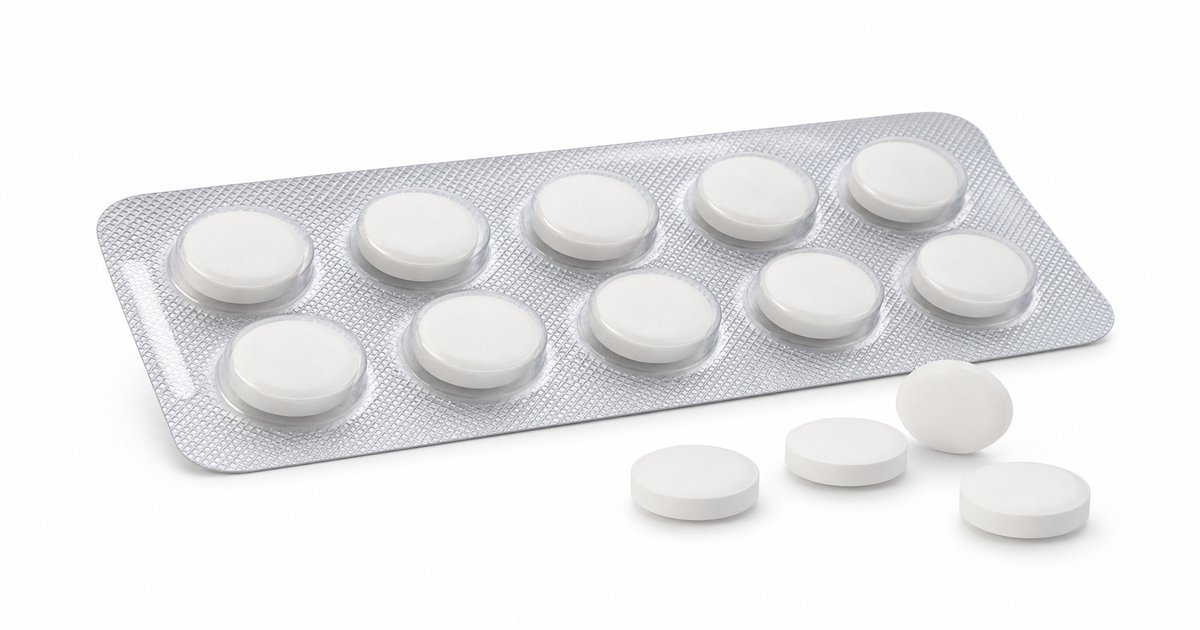
Why Motilium never shows a US shelf price
FDA never approved a routine US NDA for Motilium. There is no AB generic on a GoodRx row. Domperidone (Motilium) ECG before any import still applies to compounders and cross-border packs. Metoclopramide is the labeled US oral prokinetic, with its own central D2 burden. This bench does not broker tablets.
Macrolides, azoles, and Motilium on the same list
Erythromycin, azole antifungals, and a low potassium on a loop diuretic are stop pairs, not dose tweaks. Baseline ECG and electrolytes belong before the first compounded milligram. 'No central side effects' is not a cardiac clearance.
No coupon row exists for an unapproved US tablet
HPH will not invent a retail band for a drug that is not on US shelves. Lawful access - compounding, import, lactation protocol - still starts with ECG and CYP3A4 homework, not a price tool.
No US NDA, Still a Cardiac Drug
Syncope on domperidone plus azithromycin for 'gastroparesis.' Galactorrhea in a man who never got told prolactin would rise. A patient on 40 mg daily from a Mexico trip while on loop diuretic and no baseline ECG. Those are the domperidone charts I fix — not 'delayed gastric emptying affects quality of life.'
Delayed emptying drives nausea, bloating, early satiety, erratic absorption of other oral drugs. Diabetic gastroparesis, post-surgical dysmotility, documented emptying delay — prokinetic territory after diet and glycemic control.
In the U.S., metoclopramide is the approved oral prokinetic — with central D2 blockade, sedation, and tardive dyskinesia black box on prolonged use. Domperidone was built to stay peripheral: Motilium marketed decades in Europe, Canada, much of the world; never FDA-approved.
U.S. practice still sees domperidone via compounding, importation, lactation protocols in academic centers. Same pharmacology whether the tablet came from Toronto or a domestic compounder.
Label check: health Canada and EMA restricted domperidone after pharmacovigilance linked higher doses and cardiac comorbidity to QT prolongation and sudden cardiac death. Typical caps: 30 mg daily max; avoid significant conduction disease, hypokalemia, concurrent QT drugs.
Label check: regulatory gap is not efficacy gap — it is risk-benefit in a market with metoclopramide. International prescribers trade lower EPS for arrhythmia homework; U.S. readers need both when patients arrive on Motilium.
Galactorrhea and amenorrhea from pituitary D2 blockade — pituitary sits outside the blood-brain barrier. Counsel women and men about breast discharge and menstrual changes before start.
Metoclopramide twelve-week cap versus domperidone daily cardiac exposure — shared decision in refractory gastroparesis, not automatic switch without ECG.
Empiric domperidone for nausea without emptying study wastes QT budget on functional dyspepsia that may not respond.
Cannabis hyperemesis mimics gastroparesis — stop cannabis before blaming motility and escalating prokinetics.
Peripheral D2 Block That Still Reaches the Heart
Domperidone antagonizes D2 receptors in the upper gastrointestinal tract, relieving dopamine-mediated inhibition of acetylcholine release and increasing antral and duodenal contractility. Gastric emptying accelerates in diabetic gastroparesis trials measuring scintigraphic half-emptying time.
Label check: in the area postrema — the chemoreceptor trigger zone accessible without full CNS penetration — D2 blockade reduces nausea and vomiting signals. That is the antiemetic effect without the sedation typical of metoclopramide at comparable antiemetic doses.
Blood-brain barrier penetration is poor relative to metoclopramide; brain D2 occupancy stays low at standard doses, which explains the lower extrapyramidal rate. 'Lower' is not zero — prolonged high-dose use still carries rare dystonia reports.
Label check: hERG potassium channel blockade at supratherapeutic concentrations contributes to QT prolongation through a mechanism independent of D2 antagonism. Arrhythmia risk therefore does not track extrapyramidal side effects — a patient with no movement disorder can still have dangerous QT extension on ECG.
Prokinetic effect does not fix gastric outlet obstruction or mechanical ileus. Before domperidone, confirm absence of obstructive anatomy — accelerating an blocked stomach worsens pain and risk.
Label check: compared with metoclopramide, domperidone does not meaningfully accelerate colonic transit; upper GI symptoms are the target. Lower GI bloating may persist.
Residents assume peripheral means cardiac-only risk — hERG blockade is separate from D2; no EPS does not mean no QT.
Accelerated emptying can spike narrow-index drugs — digoxin levels, levodopa peaks; med rec beyond antiemetics.
CYP3A4 First-Pass and the QT Window
| Scenario | Exposure change | Action |
|---|---|---|
| Ketoconazole / macrolides | Large AUC increase | Avoid combination — QT risk |
| Severe liver disease | Reduced clearance | Contraindicated in EU/Canada labels |
| Daily dose >30 mg | Higher QT signal | Stay within regulatory caps |
| Hypokalemia | QT synergy | Correct electrolytes before start |
Oral domperidone undergoes first-pass metabolism with bioavailability roughly 15% in fasting state; food increases absorption modestly. Peak plasma levels occur at about one hour on empty stomach.
Plasma half-life is approximately seven to nine hours, supporting three-times-daily dosing where approved. Extensive hepatic metabolism via CYP3A4 and CYP1A2 produces inactive metabolites.
Protein binding is approximately 90%. Volume of distribution is large relative to plasma, reflecting GI tissue distribution.
Severe hepatic impairment contraindicates use in many jurisdictions because reduced clearance raises QT risk. Renal impairment prolongs half-life modestly — dose reduction applies in advanced kidney disease per international labeling.
CYP3A4 inhibitors — ketoconazole, erythromycin, clarithromycin, HIV protease inhibitors — sharply increase domperidone exposure and are contraindicated or strongly discouraged in combination. This interaction is clinical, not theoretical: macrolide antibiotics plus domperidone is a classic dangerous pair.
Domperidone does not cross into breast milk in clinically significant amounts for most infants at maternal doses used for lactation stimulation, though international lactation guidelines vary and U.S. FDA has not approved this use.
Gastroparesis Relief That Never Cleared FDA
Domperidone first marketed in Europe (Janssen).
Global use for nausea and gastroparesis; U.S. never approves.
EMA restricts dose and adds cardiac warnings.
Health Canada issues similar QT and dose-cap guidance.
Compounded/imported use persists in U.S. under physician oversight.
Diabetic gastroparesis trials demonstrate improved gastric emptying scintigraphy and symptom scores versus placebo at 10 mg three times daily over four to eight weeks. Effect sizes on nausea and vomiting are modest — prokinetics are adjuncts to glycemic control, small-particle diet, and hydration.
Functional dyspepsia with documented delayed emptying may respond similarly, though evidence is thinner than in diabetic gastroparesis. Rome criteria and emptying studies should precede long-term prokinetic use.
Antiemetic use in chemotherapy-induced nausea is not a primary domperidone indication in most formularies; 5-HT3 antagonists and NK1 inhibitors dominate that space. Domperidone appears in palliative nausea when extrapyramidal risk from metoclopramide is unacceptable and QT risk is screened.
Lactation stimulation at low doses (10 mg TID) appears in international guidelines and select U.S. protocols, though FDA has not approved domperidone for this purpose. Efficacy data show increased milk volume in some trials; maternal QT screening still applies.
Domperidone does not treat gastroparesis etiology — progressive autonomic neuropathy continues. Reassess need periodically; indefinite prokinetic use without symptom review exposes patients to cumulative QT risk.
Label check: metoclopramide head-to-head data are limited; switching between prokinetics after adequate trial is reasonable when one agent fails or causes intolerable CNS effects.
Lactation volume trials show modest benefit — maternal QT screening still mandatory; not a cosmetic use case.
Label check: palliative nausea when metoclopramide caused dystonia — domperidone reasonable after ECG; hospice patients still on methadone need QT review.
Weight loss and glycemic wins beat prokinetic uptitration in diabetic gastroparesis — endocrine follow-up parallel.
Functional dyspepsia without delayed emptying — expect disappointment; Rome criteria matter.
Wireless capsule vs scintigraphy — either acceptable documentation; repeat if clinical course changes.
Lowest Effective Milligrams After the ECG
Where approved internationally: 10 mg orally three times daily before meals, maximum 30 mg daily in current EMA and Health Canada guidance. Higher historical doses are no longer recommended.
Take fifteen to thirty minutes before food for prokinetic effect; bedtime dose may help nocturnal nausea in gastroparesis.
Duration: reassess at four weeks. If no meaningful symptom improvement, stop — continuing exposes patients to QT risk without benefit.
Lactation protocols sometimes use 10 mg TID for one to two weeks; ECG and electrolyte screening should precede initiation in any protocol using domperidone.
Label check: pediatric use varies by country; weight-based dosing appears in some formularies. U.S. compounding for children requires explicit risk documentation.
Label check: do not exceed jurisdiction-specific daily maximum even if symptoms persist — escalate to specialist gastroparesis management (pyloroplasty, gastric stimulator, jejunostomy) rather than dose-escalating domperidone beyond cardiac-safe limits.
Split TID if nausea returns before next dose — some clinicians use QID off-label within 30 mg/day total cap.
Bedtime dose helps nocturnal nausea when gastroparesis delays emptying overnight.
Hold if QT-prolonging antibiotic started mid-course — resume only after antibiotic changed and ECG stable.
Macrolides and Azoles on the Same QT List
QT-prolonging drugs — Class IA and III antiarrhythmics, haloperidol, ondansetron at high doses, methadone, fluconazole — add torsades risk. Review entire medication list including OTC and supplements.
Label check: cYP3A4 inhibitors are the highest-priority pharmacokinetic interactions: azole antifungals, macrolide antibiotics, protease inhibitors, grapefruit in large quantities. Many labels contraindicate concurrent use.
Anticholinergic drugs oppose prokinetic mechanism — hyoscyamine and opioid anticholinergic combinations reduce domperidone benefit.
Domperidone may increase absorption of orally co-administered drugs by accelerating gastric emptying — watch narrow therapeutic index agents (digoxin, levodopa) for altered peaks.
Significant bradycardia, baseline QTc prolongation (>470 ms in men, >450 ms in women as institutional thresholds vary), hypokalemia, and hypomagnesemia are contraindications in restricted-label jurisdictions.
Pregnancy: limited data; use only if benefit clearly outweighs unknown fetal risk and cardiac monitoring is feasible.
Cimetidine inhibits CYP3A4 — older regimens still encounter this with domperidone.
Domperidone plus apomorphine or other dopamine agonists — opposing pathways; Parkinson patients rarely get domperidone.
QT drugs hidden in OTC — diphenhydramine high dose, loperamide abuse; full med reconciliation.
Arrhythmia Signals That Stop the Import
Galactorrhea, breast tenderness, amenorrhea, and gynecomastia reflect prolactin elevation from pituitary D2 blockade. Symptoms often resolve on discontinuation.
Headache, dry mouth, and abdominal cramps are common and usually mild.
Extrapyramidal reactions and tardive dyskinesia are rare compared with metoclopramide but reported with prolonged high-dose use — do not assume zero CNS risk.
QT prolongation and ventricular arrhythmias including torsades de pointes occur at supratherapeutic exposure or in vulnerable hosts — the pharmacovigilance signal that drove regulatory restriction.
Sudden cardiac death case reports clustered in patients over 60 with cardiac comorbidity on daily doses above 30 mg — the epidemiologic basis for current caps.
Allergic reactions including rash are uncommon; discontinue if hypersensitivity suspected.
Long QT on baseline ECG — domperidone often wrong choice; metoclopramide short course or 5-HT3 path.
Prolonged QT on telemetry after start — hold, electrolytes, remove macrolide if possible.
Lactation Protocols Versus Cardiac Age
Elderly: higher cardiac comorbidity prevalence — ECG before start, lower threshold to avoid domperidone entirely if QTc borderline.
Pediatrics: extrapyramidal sensitivity exists; weight-based dosing with cardiac monitoring in specialized settings only.
Hepatic impairment: contraindicated in severe disease per EMA; reduced dose in mild impairment if used at all.
Renal impairment: reduce dose or extend interval in CrCl below 30 mL/min per international labeling.
Lactation: maternal benefit-risk includes infant exposure (low) and maternal QT risk (not low if drug interactions present).
U.S. clinicians: document compassionate use rationale, cardiac screening, and patient acknowledgment of non-FDA-approved status when prescribing compounded product.
Baseline ECG, Then Recheck After Combinations
Baseline ECG and potassium/magnesium in patients with cardiac history, concurrent QT drugs, or age over 60.
Repeat ECG if dose increases, new QT-prolonging drug added, or syncope occurs.
Counsel on prolactin-related breast symptoms — unexpected galactorrhea prompts pregnancy test and prolactin level if persistent off drug.
Label check: patients importing Motilium should use legitimate pharmacy sources with known tablet strength — counterfeit GI drugs circulate online.
Warn against combining with erythromycin for gastroparesis — a tempting but dangerous dual prokinetic/antibiotic stack.
Document emptying study date and glycemic A1c when prescribing for diabetic gastroparesis — prokinetics without glycemic optimization fail predictably.
Teach prolactin symptoms explicitly — men and women; embarrassment delays reporting.
Day 14 scabies wrong drug but patients ask about domperidone timing — separate counseling for Motilium gastroparesis vs antiparasitic schedules.
Syncope instructions — sit down, call if dizzy; do not drive until ECG reviewed.
Compound pharmacy phone number on bottle — potency questions go back to compounder.
Four-week follow-up on calendar at Rx — stop if no benefit; do not auto-refill six months.
Label check: macrolide prescribed for infection while on domperidone — pharmacist should flag; prescriber must choose alternate antibiotic.
Gastroparesis Workup and Cardiac Safety
Wireless motility capsule and gastric emptying scintigraphy both document delayed emptying — choose based on local availability; neither replaces upper endoscopy to exclude mechanical obstruction.
Diabetic gastroparesis improves when A1c falls and when patients eat small-particle meals six times daily — domperidone without dietary change disappoints.
Concurrent erythromycin for prokinetic effect plus domperidone is a QT stacking error — pick one pathway.
Pyloric stenosis and bezoar mimic gastroparesis — endoscopy before years of prokinetic therapy.
Torsades risk rises with hypomagnesemia on diuretics — check magnesium before domperidone in heart failure patients using imported Motilium.
Metoclopramide tardive dyskinesia drives patients toward domperidone — cardiac screening is the price of lower EPS risk.
Domperidone withdrawal after months rarely requires taper — symptom rebound reflects underlying dysmotility.
Pediatric post-viral gastroparesis sometimes resolves — reassess domperidone need at three months in children.
Regulatory counseling for U.S. patients: not FDA-approved; compounded product quality varies by pharmacy.
Galactorrhea in men on domperidone for nausea is distressing — dose reduction or switch often resolves.
Gastric stimulator referral after documented 30 mg trial plus dietary and glycemic optimization — not before.
QTc 470 ms borderline — many labels say avoid; shared decision with cardiology if prokinetic essential.
Domperidone before esophagram — motility changes may alter study interpretation; hold per protocol.
Chemotherapy delayed emptying — 5-HT3 first line; domperidone second when EPS limits metoclopramide.
Scleroderma gastroparesis — prokinetic may help modestly; underlying disease progresses regardless.
Hypokalemia on diuretics plus domperidone — replete before start; torsades does not wait for four-week review.
Compounded capsule vs tablet potency — same mg on label may differ; use one pharmacy when possible.
Insurance denial of metoclopramide refill — do not jump to domperidone without cardiac workup as workaround.
Nausea in pregnancy — metoclopramide short course often preferred; domperidone data thin.
Feeding tube patients — domperidone oral only; crush tablet bioavailability not studied; consider metoclopramide IV routes.
Domperidone level not routine — toxicity managed clinically with ECG and symptom review.
When Metoclopramide Already Failed on the Floor
Cancer patient on ondansetron, azithromycin for infection, domperidone for nausea — triple QT stack. Pick one antiemetic pathway; ECG if you must combine.
Patient brings Motilium from Mexico — verify 10 mg tablet, cardiac history, concurrent macrolide before continuing.
Metoclopramide dystonia drives switch — domperidone reasonable after ECG and potassium check, not automatic.
Emptying study never done, domperidone for six months — scope indication; functional nausea without delay may not respond.
Four weeks, no symptom or scintigraphy improvement — stop. QT exposure without benefit is the mistake.
Heart failure on furosemide, hypomagnesemia, imported Motilium — correct electrolytes before first dose or torsades risk stacks.
Prolactin-driven amenorrhea, negative HCG — dose reduction or switch before chasing infertility workup.
Domperidone 30 mg daily max per EMA — refer GI motility clinic at ceiling, do not dose-escalate off-label.
Lactation protocol 10 mg TID — maternal ECG still applies; U.S. off-label consent documented.
Pediatric post-viral gastroparesis — reassess at three months; many resolve.
Erythromycin prokinetic plus domperidone — never intentional; same CYP3A4 and QT hit.
Syncope — hold drug, ECG QTc, potassium, magnesium, cardiology if torsades concern.
Compounded syrup mg/mL varies — verify concentration; teaspoon dosing errors happen.
Mechanical outlet obstruction missed — prokinetic worsens pain; endoscopy first.
What GI Fellows Miss on Motilium
Patient brings Motilium from trip to Mexico — verify 10 mg tablet authenticity and cardiac history before continuing.
Domperidone plus ondansetron plus azithromycin triple QT stack in cancer patient — choose one antiemetic pathway.
Metoclopramide 5 mg TID twelve week cap versus domperidone daily cardiac risk — shared decision in gastroparesis.
Emptying study before domperidone in diabetic with nausea — gastroparesis not default without scintigraphy or capsule study.
Prolactin-driven amenorrhea on domperidone may mimic pregnancy — test HCG when periods stop.
Domperidone for lactation in U.S. compounding pharmacy — document ECG baseline and off-label consent.
Pediatric reflux domperidone use outside U.S. — weight-based with cardiac monitoring in specialty care.
Domperidone failure at 30 mg daily means refer GI motility clinic not 40 mg off-label.
Cannabis hyperemesis versus gastroparesis — stop cannabis trial before blaming motility disorder.
Domperidone plus ketoconazole for fungal infection absolute avoid — choose fluconazole with caution or echinocandin.
Syncope on domperidone get ECG QTc — hold drug correct potassium magnesium.
Functional nausea without delayed emptying — domperidone may not help symptoms.
Domperidone syrup compounded concentrations vary — verify mg per mL.
Breastfeeding domperidone infant GI upset monitor — usually mild.
Insurance will not cover U.S. — cost and import legality patient discussion.
Wireless motility capsule before scintigraphy when radiation exposure matters — either documents delay.
Diabetic gastroparesis: small-particle diet six meals daily — domperidone without dietary change disappoints in week two.
Bezoar on endoscopy — stop prokinetic, treat obstruction; domperidone would worsen pain.
Hyoscyamine for cramps plus domperidone — anticholinergic cancels prokinetic; pick one strategy.
Ondansetron 8 mg q8h plus domperidone in chemo — dual antiemetic OK only with ECG and electrolyte plan.
Domperidone liquid compounded 10 mg/mL — verify; parents confuse with cough syrup concentration.
Functional dyspepsia Rome IV — without emptying delay, domperidone may not help; test before months of exposure.
Post-fundoplication dysmotility — domperidone sometimes used off-label; surgical anatomy review first.
Renal CrCl below 30 — extend interval per international label; QT risk rises with accumulation.
Floor Notes When the Prokinetic Cap Is Hit
Floor patient NPO with nausea — domperidone not substitute for NG decompression if obstruction suspected.
Diabetes service starts domperidone while endocrine still titrating basal insulin — hypoglycemia timing shifts as emptying changes; coordinate.
ED nausea script Motilium from home — verify cardiac meds and azithromycin starter pack in same bag.
Lactation clinic domperidone — two-week course max in many protocols; prolactin symptoms at follow-up.
Pediatric weight-based domperidone outside U.S. — cardiology sign-off if congenital long QT in chart.
Gastroparesis pacemaker candidate failing 30 mg — document trial length before device referral.
Cannabis hyperemesis — hot showers, cyclical vomiting; stop cannabis before domperidone trial.
Domperidone plus fluconazole for thrush — azole raises levels; choose nystatin topical if possible.
Men with gynecomastia on domperidone — distress underreported; ask directly at visit two.
Outbreak in group home — public health defines simultaneous permethrin vs oral policy; domperidone not solo fix for scabies (wrong drug — but patients confuse GI motility with itch).
Torsades survivor on domperidone — med rec all QT drugs; never restart without electrophysiology.
Import patient continues Motilium — obtain ECG in U.S. before refilling compounded duplicate.
Gastroparesis and SGLT2i — emptying changes may alter glucose swings; endocrine loop.
Domperidone before gastric emptying study — hold 48 h or study reflects prokinetic effect not baseline.
Palliative care nausea — domperidone when metoclopramide EPS unacceptable; still screen QT in hospice on methadone.
Import Paperwork Is Not a US Fill
Confirm delayed emptying on scintigraphy or motility capsule when prescribing for gastroparesis — not nausea alone.
Baseline ECG and K/Mg if over 60, on QT drugs, or cardiac history.
Review macrolides, azoles, protease inhibitors — CYP3A4 inhibition raises exposure into torsades territory.
10 mg TID before meals, max 30 mg/day per EMA/Health Canada — four-week efficacy stop rule.
U.S. patients: document not FDA-approved, compounded/import source, cardiac screening.
Parallel glycemic optimization with endocrinology — A1c above target predicts prokinetic failure.
EMA and Health Canada Lines, Not DailyMed
FDA never approved — metoclopramide available; cardiac pharmacovigilance drove international restrictions.
EMA 2014: dose cap, cardiac contraindications after sudden death case-control data.
Diabetic gastroparesis: improved emptying at 10 mg TID; symptoms modest vs diet and glycemic control.
Macrolide + domperidone contraindicated or avoided — AUC rise and QT synergy.
Peripheral D2 rationale: lower EPS vs metoclopramide; hERG blockade adds arrhythmia risk independent of EPS.
Second-Look GI Notes After the Tracing
LTC gastroparesis patient on domperidone plus loop diuretic — weekly BMP until K/Mg stable.
Domperidone accelerates digoxin absorption — watch peaks if narrow index co-meds.
Anticholinergics oppose prokinetic mechanism — hyoscyamine plus domperidone is self-defeating.
Pyloric stenosis mimic — endoscopy before years of prokinetic.
Domperidone failure at max safe dose → gastric stimulator, pyloroplasty, jejunostomy — not 40 mg off-label.
Breastfeeding galactogogue short course — lactation consultant plus ECG baseline where protocols allow.
Insurance will not cover U.S. — cost, import legality, counterfeit risk in patient discussion.
Tardive dyskinesia rare on domperidone — do not promise zero CNS risk on prolonged high dose.
HF clinic: domperidone on med list triggers electrolyte and ECG flag in EMR.
GI fellow consult when metoclopramide failed and domperidone at cap still failing — device or surgical options.
What to Tell Someone Who Found Motilium Online
Take domperidone fifteen to thirty minutes before meals — empty stomach prokinetic effect.
If you faint or feel heart racing, stop and call — we may need an ECG.
Breast discharge or missed periods can happen on this drug — not always pregnancy.
Do not start erythromycin or azole antibiotics while on Motilium without calling us.
If nausea is unchanged at four weeks, we stop — more milligrams is not the plan.
This medicine is not FDA-approved in the U.S. — you signed that we discussed cardiac risk.
Keep all clinic appointments for repeat ECG if we add a new medicine.
Small-particle meals six times daily help gastroparesis as much as pills — dietitian referral.
Do not buy Motilium online from unknown sites — tablet strength must be verified.
Driving after first dose — sit a while if dizzy; orthostatic symptoms happen.
Imported Motilium refills — bring blister pack to visits so we verify 10 mg strength.
QT review at every refill if cardiac meds changed.
ECG First, Then Ask If Import Is Even Legal
Before first dose: ECG if cardiac history, age over 60, or QT drugs on board. Check potassium and magnesium — especially on diuretics.
Never combine with erythromycin, clarithromycin, or azole antifungals for convenience. That pairing is how torsades happens.
10 mg three times daily before meals; 30 mg/day ceiling where jurisdiction allows. No benefit at four weeks — stop.
Galactorrhea, missed periods, breast tenderness in men or women — prolactin effect, not pregnancy until you test.
U.S. patients: this drug is not FDA-approved. Document source, strength, and that you discussed cardiac risk.
Metoclopramide failed from movement side effects? Domperidone may help — but you traded EPS homework for ECG homework, not zero risk.
Treat household gastroparesis with diet and A1c first. Domperidone is adjunct, not substitute for glycemic control and small-particle meals.